
Inclusion vs. Self-Contained Classrooms: What Families Should Know
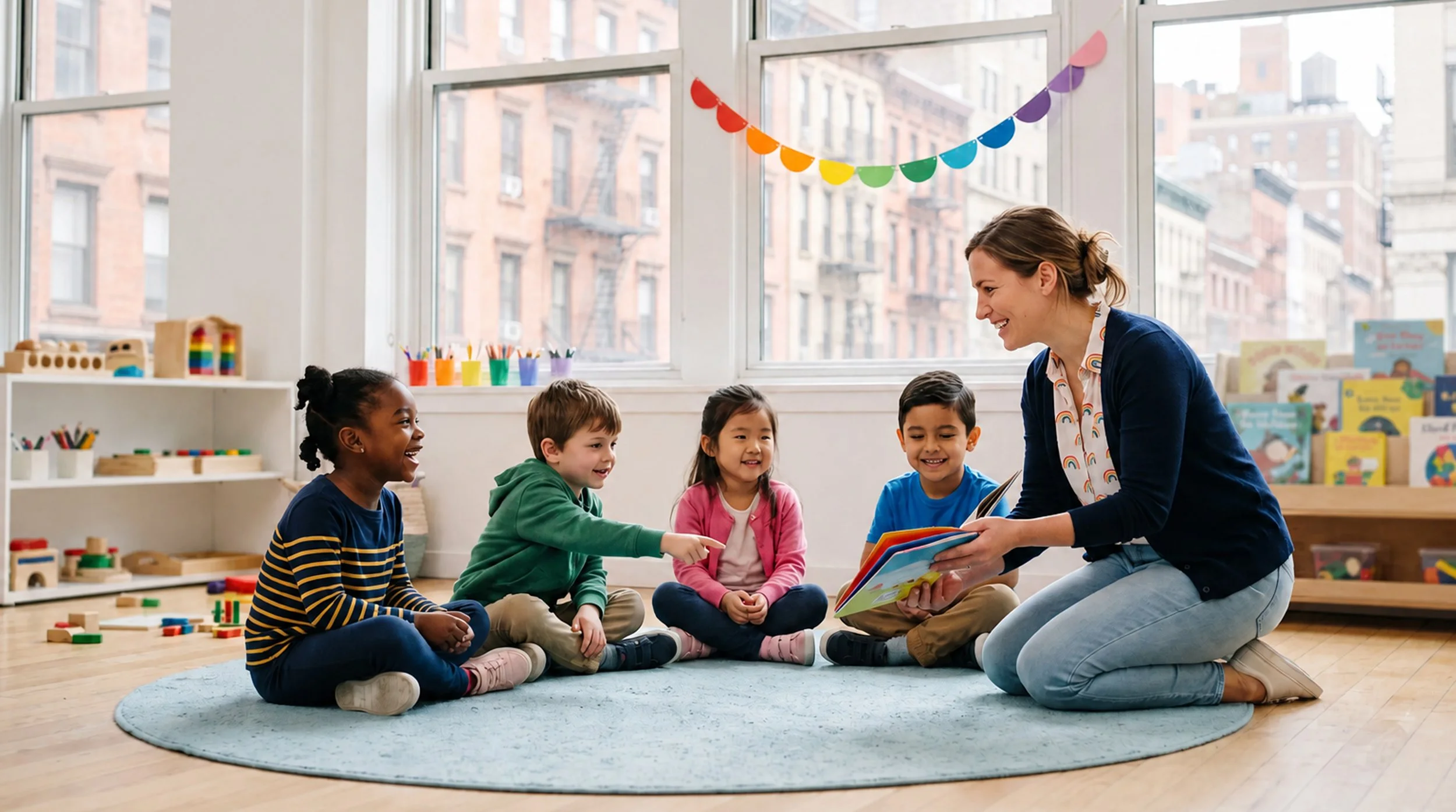
Weighing classroom placements for an autistic child means wading through jargon like ICT, 12:1:1, and District 75, usually with no translation. The research, meanwhile, keeps landing on the same conclusion: no single setting is right for every child, and what happens inside a classroom, from its sensory load to its teachers, matters more than the label on the door. In this article, we explain NYC's placement options in plain language, look at what studies show about inclusion, and share some ways to figure out if a room is right for your child.

Back-to-School Prep for Autistic Learners: Best Practices for a Smoother Start
The supply list is checked off, but for autistic learners the supplies were never the hard part. The real challenge is a first morning where the teacher, the room, the bus, and the schedule all change at once. Research suggests autistic brains handle prediction differently, so a day full of surprises isn't just uncomfortable; it's genuinely draining. In this article, we walk through evidence-based prep like visual schedules, social stories, and practice runs that can make the first day of school feel familiar before it ever arrives.
Sensory Processing in Autism: Why Your Child Reacts the Way They Do
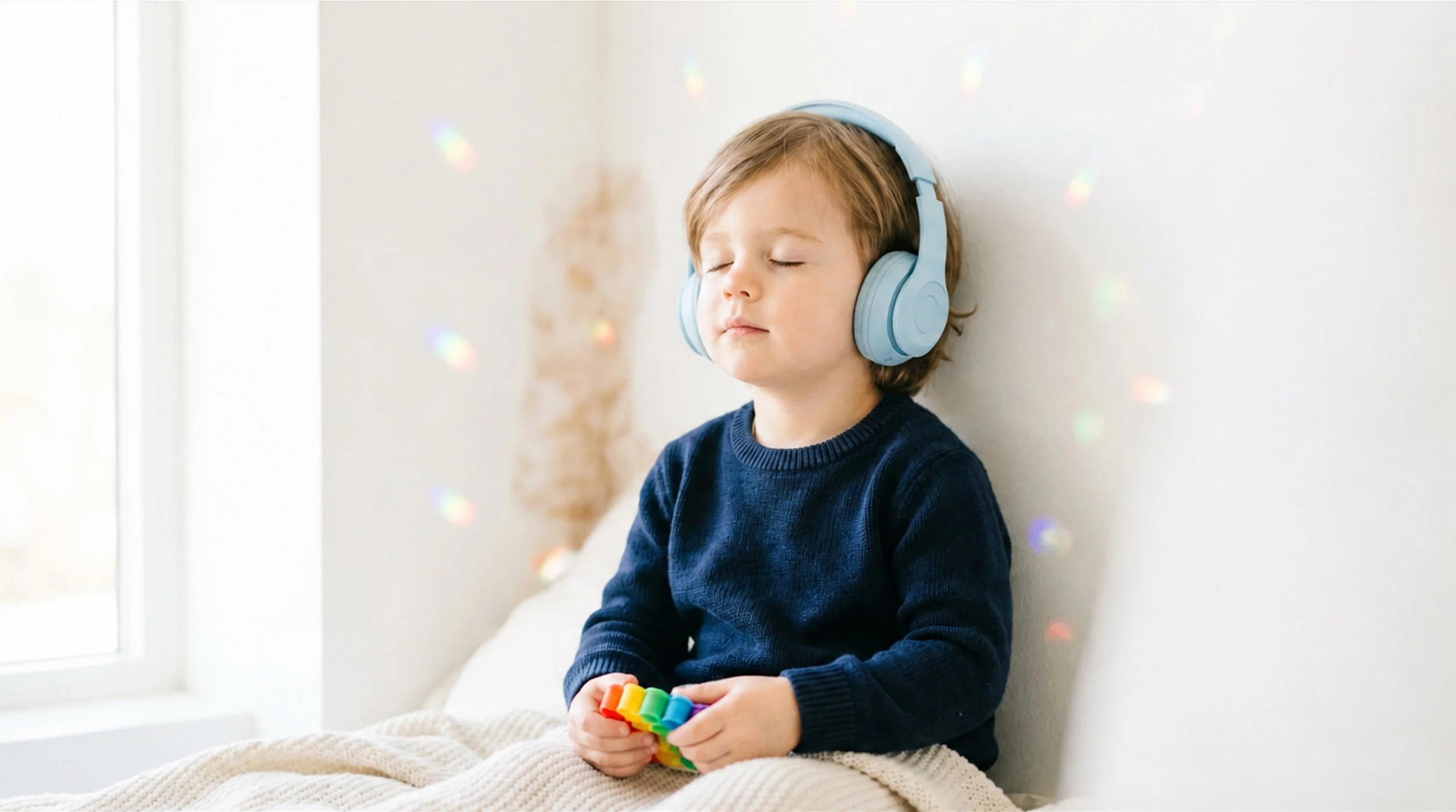
If your child melts down in the cereal aisle, it's easy to read it as misbehavior — but the science tells a different story. Brain-imaging research shows that in autistic children with high sensory sensitivity, the "volume knob" stays turned up: everyday sights and sounds that most brains learn to tune out keep firing at full strength, so an ordinary grocery trip becomes a brain working overtime. In this article, we unpack how autistic brains process sensory input differently and the practical home accommodations that can lighten the load.
Four Paws and a Purpose: How Animal-Assisted Therapy Is Helping Autistic Children Thrive
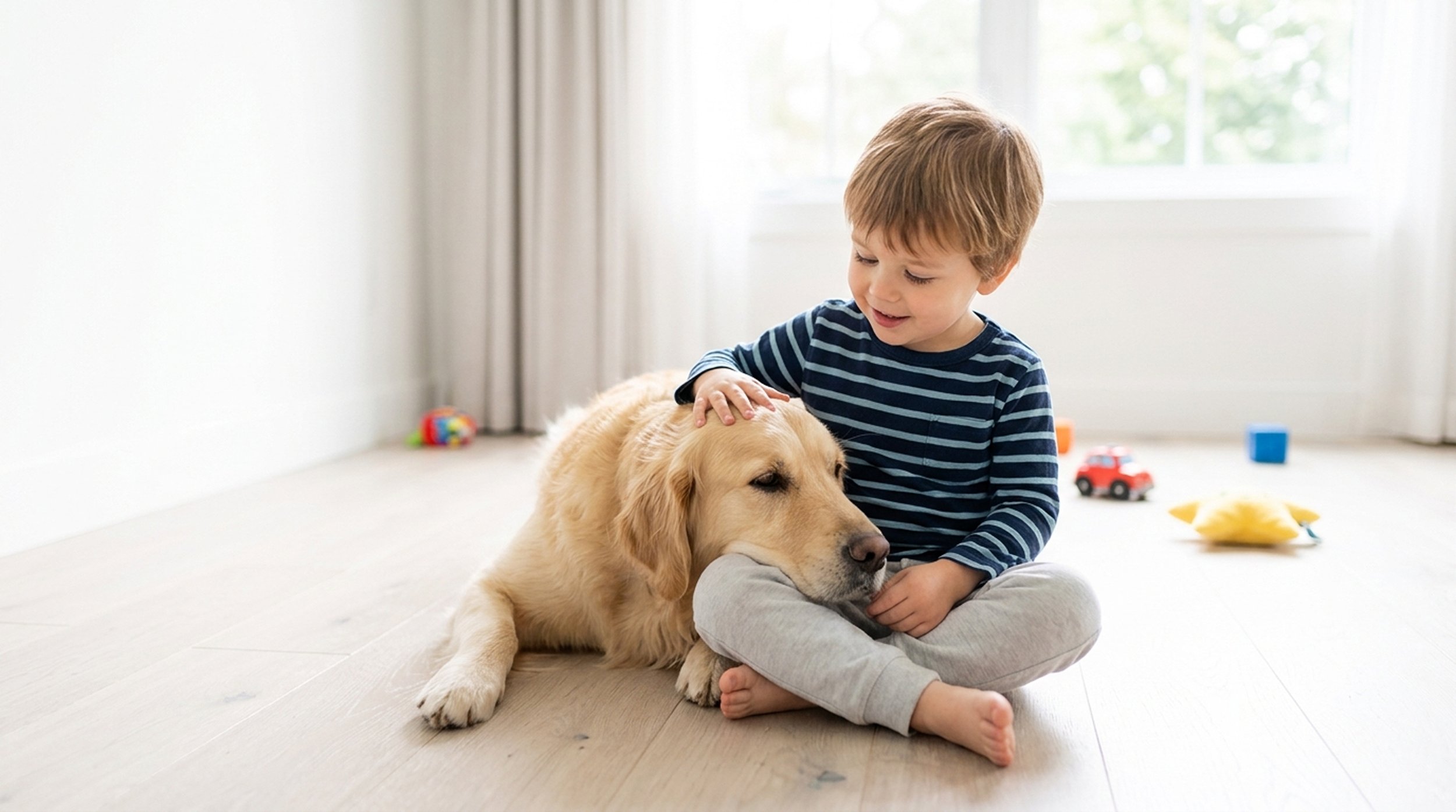
If your child lights up around animals, science is starting to explain why. A 2025 PLOS ONE pilot study found that autistic children engaged meaningfully with a trained therapy dog — verbal kids through commands and play, nonverbal kids through closeness and touch — and parents reported real improvements in emotional regulation and social behavior outside of sessions. In this article, we look at the latest research on animal-assisted therapy and how families can think about it as a complement to ABA.